7 Signs Your St. George Attic Needs Spray Foam
A St. George attic likely needs better insulation and air sealing when upstairs rooms stay hot all afternoon, the AC runs without catching up, the old insulation is thin or matted, or dust lines show up around vents and fixtures. Spray foam is one way to fix that, and a site visit tells you if it fits your house, so call 435-773-8856 for a free estimate.
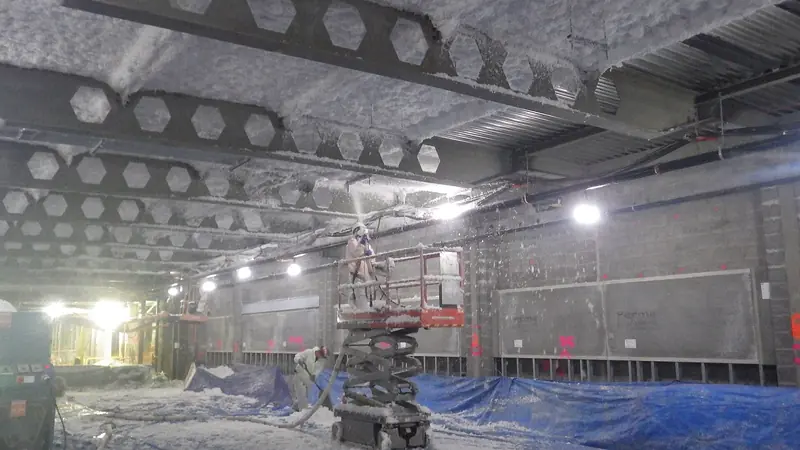
In a St. George summer, the attic is the hottest place in the house, and whatever is up there decides how hard the rest of the house has to work. Most people never go up there. They just notice the house feels off. Here are the seven signs we hear about most when homeowners call, and what each one usually points to. Not every hot house needs spray foam, and we will say so when it does not.
1. Upstairs rooms stay hot after the AC runs all day
The thermostat downstairs says one thing, and the bedrooms upstairs feel several degrees warmer. In the late afternoon, you can hold your hand near the ceiling and feel heat coming off it. That usually means the attic above is passing heat down through the ceiling, through gaps around fixtures and the hatch, or both. Thin insulation and air leaks are the common causes. A site visit sorts out which one is doing the damage. Sometimes adding depth on the attic floor is enough. Sometimes moving the insulation up to the roof deck makes more sense. Our attic page covers both.
2. The AC runs and runs but never catches up
On a hot afternoon here, an air conditioner is going to work hard. But if it runs without stopping and the house still drifts warmer until the sun goes down, something is leaking. It could be the attic, ducts that run through a hot attic, or the equipment itself. Be honest with yourself about the age of the unit and when it was last serviced, and have an HVAC tech look at it if that has been a while. If the system checks out, the attic is the next place to look. We would rather tell you the problem is the AC than sell you foam that does not fix it.
3. The insulation is thin, matted, or patchy
Pop the attic hatch with a flashlight and look, without climbing in if it is hot. Blown-in insulation that has settled, been pushed aside by cable and HVAC installers, or is so thin you can see the ceiling joists is not doing much. Batts that have slumped, have gaps between them, or have been crushed by stored boxes leave holes in the blanket. Look for bare spots around the hatch and over the bedrooms. Take a few photos while you are up there. A wide shot and a close one of the worst spot are exactly what we ask for when you text in.
4. Dust lines around vents, lights, and carpet edges
Gray or reddish lines on the ceiling around supply vents and light fixtures, or dark lines along carpet edges near the walls, are a sign of air moving where it should not. As air leaks through those gaps, the dust it carries gets filtered out right there and leaves a mark. In a dusty place like Washington County, those lines show up fast. They point to leaks between the living space and the attic or the wall cavities. Air sealing those gaps is a big part of what spray foam does, which is why we look at the ceiling plane, not just the depth of insulation.
5. Ducts in the attic and warm air at the far rooms
Many homes here run their ductwork through the attic. In summer, that means cool air travels through the hottest space in the house before it reaches the rooms. If the rooms at the end of the runs get weak or warm air, the ducts may be leaking or losing their cooling along the way. One option is to bring the attic inside the insulated part of the house with foam at the roof deck, so the ducts sit in a cooler space. Whether that fits depends on the roof, ventilation, and other details. Our open-cell vs closed-cell page explains how the foam choice plays into that.
6. The bonus room or addition is the worst room in the house
Rooms over the garage, finished bonus rooms, and additions are often the hardest spaces to keep comfortable. They have more outside surfaces, tight framing, knee walls, and sometimes a seam where the new section meets the old. Those seams and knee walls are easy to leave leaky. If one room is hot in summer and cold in winter while the rest of the house is fine, the problem is usually in that part of the building shell. Spray foam can fill odd cavities and seal the joints that batts struggle with. It comes up a lot in Santa Clara and Washington, where bonus rooms and additions are common.
7. You are reroofing, remodeling, or finishing space
Sometimes the sign is just timing. If the roof is coming off, walls are open for a remodel, or you are finishing a garage or adding a room, that is the easiest moment to get insulation and air sealing right. Open framing gives full access, and it saves pulling drywall later. New builds work the same way before drywall goes up. Let us know your schedule early so the foam fits between the other trades. For homes in newer areas like Desert Color or Washington Fields, our neighborhoods page talks about timing on new builds and remodels.
What to do if this sounds like your house
If two or three of these fit, it is worth having someone look. Snap the attic opening, an overall view of the insulation, and any ducts you can see, and text them to 435-773-8856 with your address. That starts the conversation, and a walk-through gives you a real recommendation and a firm quote. There is no price list on this site because the right answer depends on the house. See how we quote for what affects the number. Estimates are free, and we do not promise a dollar amount in savings.
Questions
How do I know if my attic insulation is bad?
Look for thin or patchy coverage, visible ceiling joists, crushed batts, and bare spots near the hatch. Hot upstairs rooms and dust lines at vents are other signs.
Does every hot house need spray foam?
No. Some homes need air sealing and more blown-in insulation, and some have an AC or duct problem. A site visit sorts out which one fits your house.
Will spray foam lower my power bill?
Air sealing and insulation can reduce how hard the AC has to work. Results vary by house and habits, so we will not put a number on your savings.
Can you tell what I need from photos?
Photos of the hatch, insulation, and ducts help us start. A firm recommendation and quote still need a site visit. Text photos to 435-773-8856.
Is it better to foam the roof deck or the attic floor?
It depends on the roof, ventilation, ducts, and how the attic is used. Both are valid assemblies, and the choice is made on site, not from a form.