6 DIY Spray Foam Mistakes St. George Homeowners Regret
The DIY spray foam mistakes we see most in St. George are using small cans for big areas, spraying kits in a hot summer attic, skipping protective gear, burying lights and flues, and sealing a roof deck without a ventilation plan. Small gaps are fine to handle yourself, but for attics, roof decks, and walls, call 435-773-8856 for a free estimate.
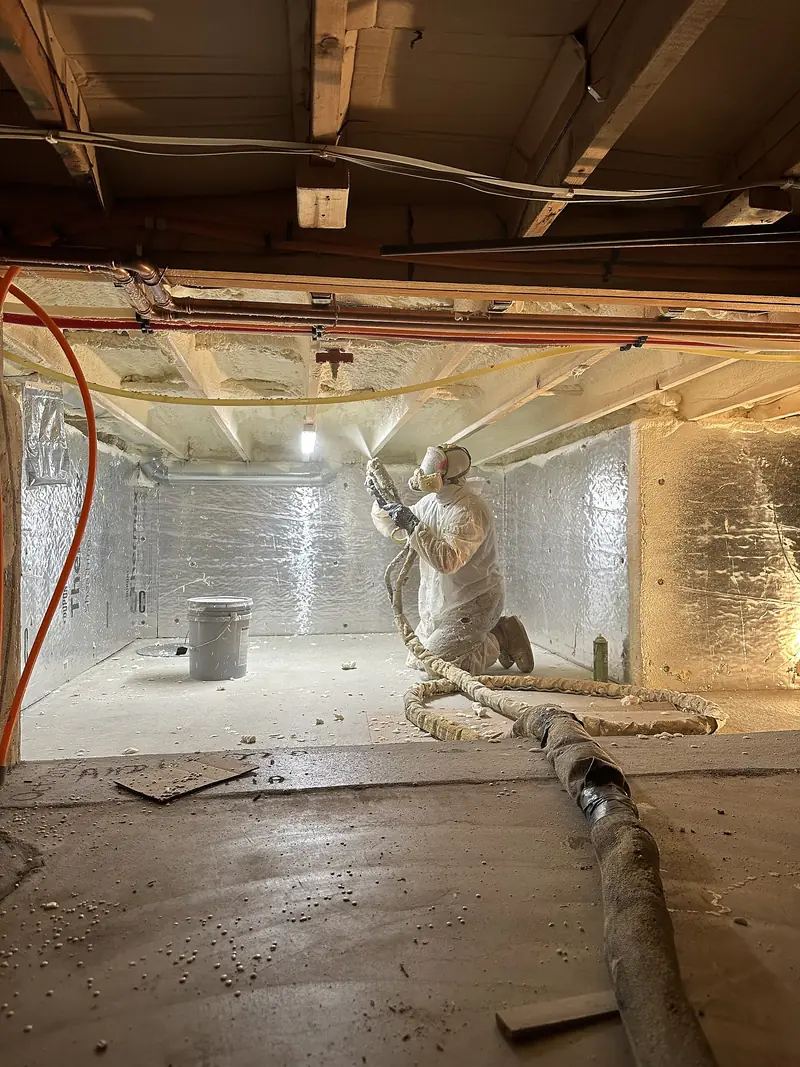
Cans of foam at the hardware store and two-part kits sold online make spray foam look like a weekend project. For sealing a few gaps around a pipe, it can be. For a whole attic, a roof deck, or a bonus room, it is a different story, and some of the fixes we get called for started as a DIY job. Here are six mistakes to avoid if you are thinking about doing it yourself in a St. George home.
1. Using cans for a job that needs a rig
Single cans of foam are made for sealing small gaps: around pipes, wires, and the edges of windows. They are great at that. They are not made to insulate a wall, a rim joist around the whole house, or an attic floor. People buy a case, spray until it runs out, and end up with lumpy, thin coverage and a lot of empty cans. The foam from a can also cures differently from a professional two-part system. Use cans for the small leaks you can reach. For anything bigger than a few gaps, it is worth getting a quote before you spend money on a pile of cans.
2. Spraying a kit in a hot summer attic
Two-part foam kits come with a temperature range for the chemicals and for the surface being sprayed. A St. George attic on a summer afternoon can run far hotter than that range, and the foam may not mix or rise right. You can end up with foam that shrinks, pulls away from the framing, or never cures properly. The heat is also hard on the person in the attic, especially in a full suit and respirator. If you do try a kit, read the label closely, work in cooler months or early in the day, and keep checking the temperature of the space.
3. Skipping the protective gear and fresh air
Spray foam chemicals need real protection while they are being applied: a proper respirator, eye protection, gloves, and covered skin. A dust mask from the garage is not enough. The space also needs fresh air moving through it, and other people and pets need to be kept out until the product's re-entry time has passed. Read the safety sheet and label that come with the kit and follow them exactly. If the kit's requirements feel like more than you want to deal with, that is a reasonable sign to hand the job off. Professional crews bring the gear and handle the ventilation as part of the job.
4. Burying lights, flues, and wiring
Attics hide a lot of things that should not get covered. Some recessed lights are not rated to be in contact with insulation. Flues from the water heater or furnace need clearance from anything that can burn. Junction boxes need to stay reachable. When foam goes on fast, it is easy to cover all of it without noticing. Before anyone sprays, every light, flue, fan, and box should be identified, and the ones that cannot be covered should be boxed off or swapped out. This is one of the first things we check on a visit, and our attic page explains why.
5. Sealing the roof deck with no ventilation plan
Spraying the underside of the roof changes how the attic works. It usually becomes part of the conditioned house instead of a vented space. That means existing roof vents, soffit vents, and sometimes the HVAC setup have to be planned around it. Foaming the deck while leaving the vents open, or blocking soffits without thinking it through, can lead to moisture problems in the attic. It also matters which foam goes on the deck. Before you spray anything overhead, figure out the whole plan. Our open-cell vs closed-cell page explains why the foam type and the attic setup go together.
6. Spraying too thick, too fast, or in the wrong place
Foam expands, and it does not come off easily. Spraying too much in one pass can cause it to cure poorly or overheat. Spraying too little leaves thin spots that let heat through. Overspray lands on windows, siding, and anything nearby, and it is a pain to remove. And once foam is in a wall or on a roof deck, fixing a mistake means cutting it out. Pros spray in controlled passes and check depth as they go. If you are doing a small area yourself, mask everything around it, do a test area first, and go slower than you think you need to.
What is fine to do yourself
Sealing small gaps with a can of foam is a good DIY job. Weatherstripping doors and the attic hatch, sealing around pipes under sinks, and filling the gap where a dryer vent leaves the wall all help, too. For an attic, a roof deck, open walls on a remodel, a rim joist around the house, or a bonus room that will not stay cool, call or text 435-773-8856 with your address and a few photos. We will look at the house and tell you what fits. How we quote explains the factors behind a quote, and more short answers are on our FAQ. Estimates are free.
Questions
Can I insulate my attic with cans of spray foam?
Cans are made for sealing small gaps, not for insulating a whole attic. For full coverage, a two-part system applied by a crew gives a more even result.
Are DIY spray foam kits safe to use?
They can be used safely if you follow the label exactly, including the respirator, protective gear, ventilation, and re-entry time. Many homeowners decide that is more than they want to handle.
Why is a hot attic a problem for DIY foam?
Kits have a temperature range for the chemicals and surfaces. A St. George attic in summer can exceed it, and the foam may not cure right.
What parts of insulation can I do myself?
Sealing small gaps, weatherstripping doors and the attic hatch, and sealing around pipes are good DIY jobs. Attics and roof decks are better left to a crew.
How do I get a quote for my attic?
Text your address plus a picture of the attic opening and one of the whole attic to 435-773-8856. A site visit gives you the firm quote.